How Weather and Temperature Changes Affect Concrete
People seeking concrete repair often want to address damage caused by weather and temperature changes, and local contractors can provide expert solutions to restore and protect concrete surfaces.
Understanding how weather and temperature changes affect concrete is essential for property owners seeking long-lasting, durable surfaces. Fluctuations in temperature can cause concrete to expand and contract, which may lead to cracking, spalling, or uneven surfaces over time. Recognizing these impacts helps property owners take proactive steps to protect their investment, especially in areas where temperature swings are common. Local contractors specializing in concrete repair are equipped to assess the effects of weather on existing surfaces and recommend appropriate solutions to prevent further damage.
Exploring this topic is particularly practical for those managing driveways, walkways, patios, or foundation elements that face the elements daily. When weather-related stressors compromise concrete, repairs might be necessary to restore safety and appearance. Connecting with experienced service providers can ensure that any issues caused by temperature shifts are addressed effectively, maintaining the integrity of outdoor and structural concrete features. Keep reading to learn more about how weather influences concrete and how local experts can help keep surfaces in top condition.
- Crack Repair - when temperature fluctuations cause concrete to expand and contract, leading to cracking that requires professional sealing and reinforcement.
- Surface Resurfacing - in cases where weather-related wear creates surface deterioration, local contractors can restore the appearance and integrity of concrete slabs.
- Joint Filling - as temperature changes cause joints to shift or widen, service providers can properly fill and seal these areas to prevent further damage.
- Structural Repair - extreme temperature swings can weaken concrete foundations or structures, prompting local pros to assess and reinforce affected areas.
- Sealing and Waterproofing - when weather conditions increase moisture penetration due to temperature-induced cracks, experts can apply protective coatings to safeguard concrete surfaces.
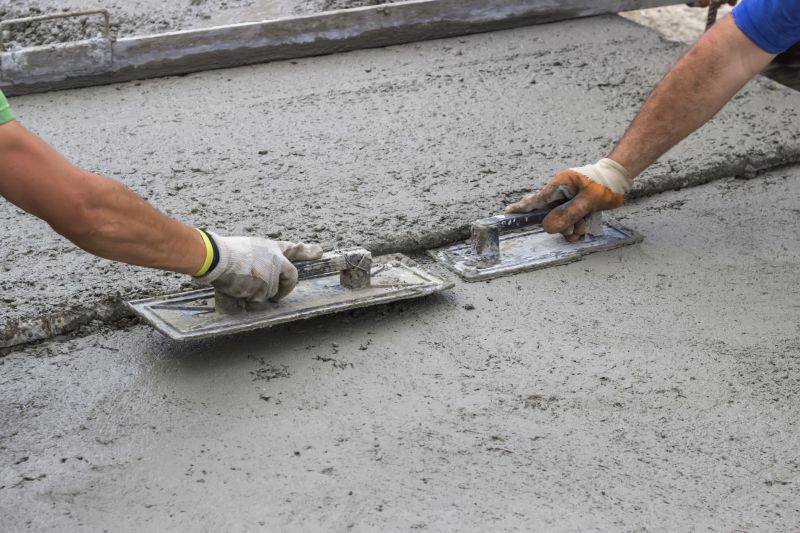
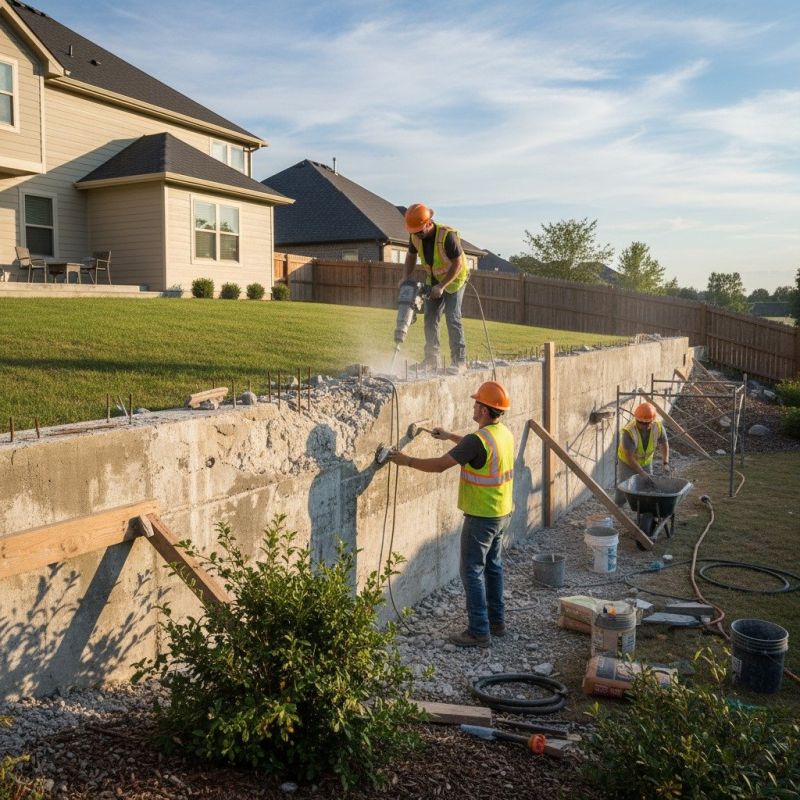
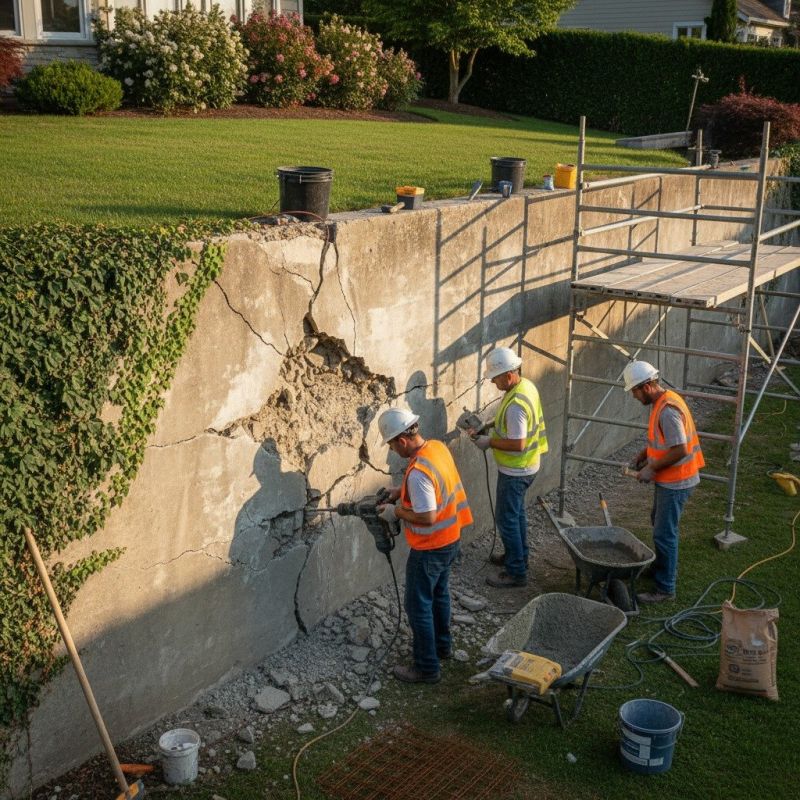
When people search for information about how weather and temperature changes affect concrete, they are often trying to understand how extreme or fluctuating conditions can impact the durability and integrity of their existing surfaces or new installations. This topic is especially relevant for homeowners planning to pour new concrete slabs, repair cracks, or improve their driveways, patios, or walkways. Understanding how temperature swings and weather patterns influence concrete helps in making informed decisions about timing, materials, and necessary repairs. Local contractors experienced in concrete work can assess these conditions and recommend solutions to minimize damage caused by weather-related stresses.
The problems associated with weather and temperature changes often involve cracking, spalling, or uneven settling of concrete surfaces. For example, rapid temperature drops can lead to freeze-thaw cycles that cause concrete to expand and contract, creating cracks or surface deterioration over time. Conversely, prolonged exposure to high temperatures can weaken the concrete’s structure or cause it to cure improperly if poured under unsuitable conditions. These issues may also affect the planning of new projects, as certain weather conditions can delay work or compromise the quality of the finished surface. Homeowners with existing concrete surfaces or those considering new installations should be aware of these factors to prevent costly repairs down the line.
Certain properties of concrete are more susceptible to weather and temperature effects. These include the surface texture, thickness, and the type of mix used during installation. For instance, porous concrete or thinner slabs tend to be more vulnerable to cracking from temperature fluctuations. Additionally, concrete exposed to moisture or standing water is at higher risk of freeze-thaw damage, especially in colder climates. Understanding these properties helps in selecting appropriate materials and installation techniques that can withstand local weather patterns. Service providers who specialize in concrete repair or installation can evaluate these properties and recommend protective measures, such as sealants or reinforcement, to enhance longevity.
For homeowners planning repairs or new concrete projects, recognizing how weather and temperature changes affect concrete is essential for long-term success. Local service providers can offer guidance on the best timing for pouring concrete, suggest suitable mix options, and implement protective strategies to mitigate weather-related damage. Whether addressing cracks, surface scaling, or foundational issues, experienced contractors understand how environmental factors influence concrete performance. Connecting with local pros ensures that projects are designed and executed with consideration of local weather conditions, helping to preserve the integrity and appearance of concrete surfaces over time.
Foundation Repair Projects - local contractors often handle foundation repairs that are affected by temperature fluctuations and soil movement caused by weather changes.
Pavement and Driveway Resurfacing - these projects require understanding how temperature shifts impact concrete expansion and contraction to ensure durability.
Sidewalk and Patio Installation - service providers skilled in managing weather-related concrete issues can help prevent cracking due to temperature extremes.
Structural Concrete Restoration - repairing structural elements involves addressing damage caused by freeze-thaw cycles and temperature stress.
Crack Repair Services - local pros specialize in sealing cracks that result from weather-induced expansion and contraction of concrete surfaces.
Concrete Sealing and Coating - professionals can apply protective coatings to mitigate damage from weather and temperature changes affecting concrete longevity.
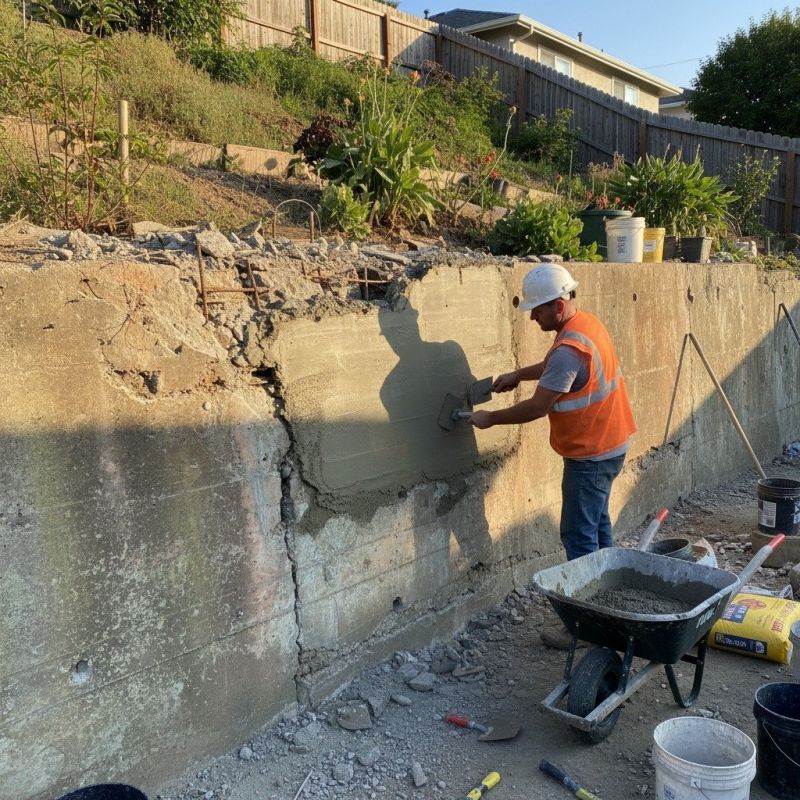
When evaluating service providers for concrete repair related to how weather and temperature changes affect concrete, it is important to consider their experience with similar projects. Contractors who have handled repairs in environments with fluctuating temperatures are more likely to understand the unique challenges posed by weather-related concrete issues. Asking about their previous work in comparable conditions can help gauge their familiarity with the specific techniques and materials needed to ensure lasting repairs. An experienced contractor can better anticipate potential problems caused by temperature shifts and recommend appropriate solutions to mitigate future damage.
Clear written expectations are essential when comparing local contractors for concrete repair services. A detailed scope of work should outline the specific repairs needed, the materials to be used, and the steps involved in addressing weather-related concrete issues. This clarity helps prevent misunderstandings and ensures both parties are aligned on project goals. When reviewing proposals or estimates, look for comprehensive descriptions that specify how weather and temperature factors will be managed throughout the repair process. Well-defined expectations contribute to smoother project execution and a better understanding of what the repair will entail.
Reputable references and effective communication are key indicators of a reliable service provider. Pros with positive references from past clients can provide insights into their ability to handle weather-related concrete challenges and deliver quality results. Good communication throughout the project ensures that homeowners are kept informed about progress, potential issues, and any adjustments needed due to weather conditions. Choosing local contractors known for transparency and responsiveness can help ensure that weather and temperature changes are properly addressed during the repair process, leading to more durable and effective results.
Property owners often search for how weather and temperature changes affect concrete when they are planning practical projects around their homes and businesses. Local pros provide Concrete Repair services for everyday jobs and straightforward project options.
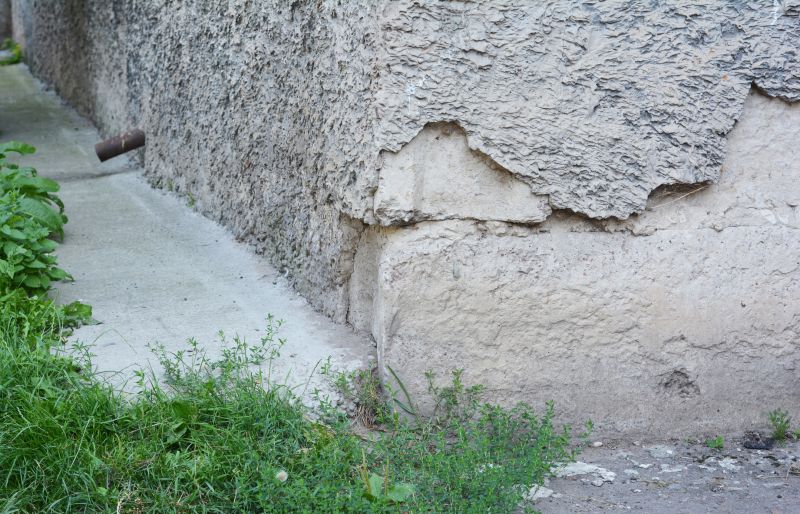
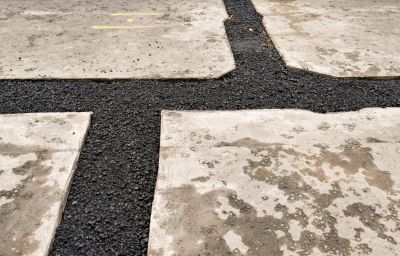
Weather and temperature fluctuations can significantly impact the integrity of concrete structures around homes and properties. For property owners, understanding how changes in weather-such as freezing temperatures or hot, dry conditions-affect concrete can help prevent issues like cracking, spalling, or uneven settling. These problems often arise when concrete expands and contracts with temperature shifts, leading to potential damage over time. When planning repairs or new installations, consulting local contractors experienced in weather-related concrete concerns can ensure the right solutions are applied to maintain the longevity and safety of the surfaces.
In areas where temperature swings are common, property owners might notice early signs of weather-related concrete deterioration, prompting the need for professional assessment and repair. Local service providers can evaluate the extent of damage caused by weather changes and recommend appropriate fixes, such as sealing, reinforcement, or replacement. Addressing these issues promptly can help preserve the appearance and functionality of driveways, patios, and other concrete features, reducing long-term maintenance costs and ensuring the durability of the surfaces despite ongoing weather challenges.
How do temperature fluctuations impact concrete durability? Temperature fluctuations can cause concrete to expand and contract, leading to cracks and structural issues. Local contractors can assess and repair damage caused by these changes to maintain the integrity of the concrete.
What effect does weather have on concrete setting and curing? Weather conditions such as rain, heat, or cold can interfere with the proper setting and curing of concrete, potentially weakening its strength. Experienced service providers can implement measures to ensure proper curing despite weather challenges.
Can extreme temperatures cause concrete to crack or spall? Yes, extreme heat or cold can lead to cracking or spalling as concrete expands or contracts beyond its limits. Local pros can identify and repair these issues to prevent further damage.
How do seasonal changes influence concrete maintenance needs? Seasonal changes can accelerate wear and cause surface deterioration, making repairs more necessary. Local contractors can provide maintenance services to address weather-related damage promptly.
What role do weather conditions play in the longevity of concrete structures? Weather conditions significantly affect concrete's lifespan by causing wear, cracks, and surface deterioration. Service providers can help reinforce or repair concrete to extend its durability against changing weather patterns.
Temperature fluctuations and concrete expansion - local contractors can help manage concrete expansion caused by temperature changes to prevent cracking in driveways and patios.
Weather-related curing challenges - professionals can advise on proper curing techniques during extreme weather to ensure durable concrete finishes.
Impact of freeze-thaw cycles - local service providers can repair and reinforce concrete surfaces vulnerable to damage from repeated freezing and thawing.
Heat stress on concrete structures - experts can recommend protective measures to minimize damage from high temperatures during hot weather.
If you are thinking about how weather and temperature changes affect concrete for a property, this guide is meant to help you understand this topic, the typical project types, and how different options might fit your plans.
When you are ready, you can use the quote form on this page to share a few details about your project. From there, local pros can review the basics and follow up with options that match what you have in mind.